
RUNJIEPrecision Machinery

+86 13332683707
RUNJIEPrecision Machinery
+86 13332683707
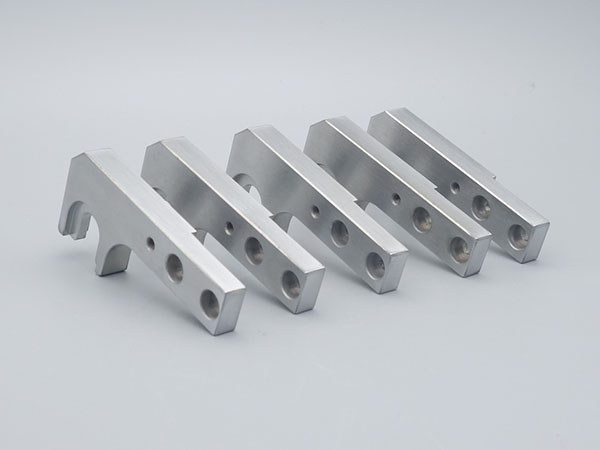
I. Tolerance (The Most Critical Gap)
Conventional Machining
Tolerance range: ±0.05mm ~ ±0.1mm
Slight deviations visible to naked eyes or calipers are acceptable. It only meets basic assembly requirements, and relatively large gaps are permissible.
Applications: Equipment brackets, housings, general‑purpose hardware accessories.
Precision Parts Machining
Tolerance range: ±0.001mm ~ ±0.005mm
The error is far thinner than a human hair. Minor dimensional deviations will cause assembly jamming, abnormal operating noise and loss of equipment accuracy.
Applications: Automation movement components, medical accessories, optical communication modules, optical instruments, semiconductors, core auto parts.
II. Processing Equipment
Conventional Machining: Ordinary CNC lathes, 3‑axis basic CNC machines, standard milling machines, bench‑type drilling machines. Low equipment cost with moderate rigidity. High labor cost, and precision can hardly be guaranteed.
Precision Machining: 5‑axis machining centers, turn‑milling composite machines, internal‑external cylindrical grinders, wire‑cut EDM, mirror‑surface grinding equipment. Machine tools feature high rigidity and high factory‑set accuracy grade.
III. Surface Quality
Conventional Machining: Obvious tool marks, minor burrs and scratches are acceptable with loose requirements for surface roughness.
Precision Machining: Burr‑free and tool‑mark‑free surfaces with extremely low roughness values. Fine post‑treatments such as anodizing, polishing and passivation are commonly applied.
IV. Inspection Methods
Conventional Machining: Rough sampling inspection only with vernier calipers and tape measures.
Precision Machining: Full‑dimension inspection via coordinate measuring machines (CMM), micrometers, profilometers and roughness testers; inspection reports are archived.
V. Material Selection
Conventional Machining: General‑purpose materials such as ordinary carbon steel and recycled aluminum alloy.
Precision Machining: Higher‑stability materials including aerospace‑grade aluminum, 316 stainless steel, titanium alloy, PEEK engineering plastic and alloy tool steel.
VI. Cost & Lead Time
Conventional Machining: Low unit price, low MOQ requirement and fast delivery.
Precision Machining: Numerous working procedures and strict multi‑step quality inspection for timely problem detection and handling. It demands highly‑skilled operators, resulting in higher prices and longer lead‑times.
VII. Application Comparison
Conventional Machining: Shelf hardware, chassis housings, simple agricultural machinery parts, standard fasteners
Precision Machining: Automation equipment spare parts, endoscope components, lens structural parts, new‑energy electronic‑control hardware, bearing accessories
Dongguan Runjie Precision Machinery Co., Ltd. specializes in precision mechanical parts, precision tooling & fixtures, tungsten carbide parts, ceramic components, precision hardware molds and PLC‑based automated production equipment. Inquiries and factory visits are warmly welcomed.